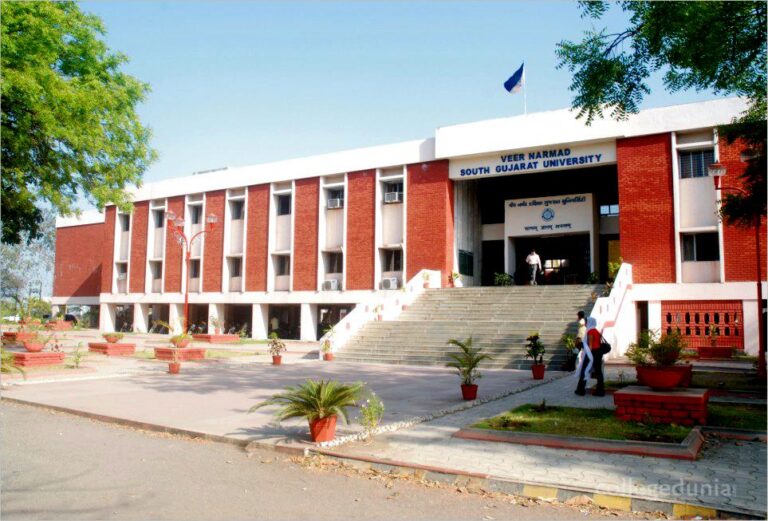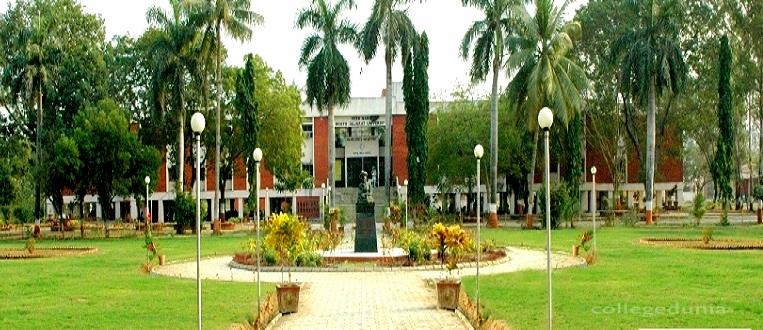
The expected cut-offs for UPL University of Sustainable Technology in 2025 reflect the institution's commitment to academic excellence and sustainability. As the demand for skilled professionals in sustainable technology continues to grow, it is anticipated that cut-offs for programs will align with industry needs and educational standards. For undergraduate programs like B.Tech, cut-offs are expected to remain competitive, reflecting the increasing interest in engineering disciplines.
Similarly, the MBA program's cut-off scores are likely to rise as businesses increasingly seek graduates with sustainable management skills. The M.Tech and Ph.D. programs will have higher cut-offs as they cater to advanced academic pursuits. Prospective students must stay updated on these expected cut-offs and prepare accordingly.
Understanding the expected cut-offs allows students to assess their readiness and plan their application strategies effectively. Regularly checking the university's official announcements will also help them remain informed about any changes to the cut-off criteria or the admission process.
UPL University of Sustainable Technology Cut-Offs Dates
Key dates for cut-offs at UPL University of Sustainable Technology are vital for prospective students to ensure they stay on track during the application process. These dates include the announcement of expected cut-off scores, the application deadlines, and any subsequent rounds of admissions. Staying informed about these dates is essential for students aiming to secure their spots in the programs of their choice.
UPL University of Sustainable Technology Important Notes for Applicants
Stay Updated: Regularly check the university's official website for any changes to the cut-off scores or admission procedures.
Prepare Thoroughly: Ensure you prepare well for entrance examinations, as these scores are crucial in determining your eligibility.
Document Verification: Be prepared for document verification processes after the cut-off scores are announced to confirm your eligibility.
Consult Admission Helpline: Utilize the university's admission helpline for any queries related to cut-offs or the application process.
Timely Submission: Make sure to submit your application before the deadline to avoid missing out on the opportunity for admission.
The cut-offs for UPL University of Sustainable Technology (UPLUST) for the year 2025 play a crucial role in guiding prospective students about the minimum eligibility scores required for admission into various programs.
UPL University of Sustainable Technology Cut-Offs
In 2025, the cut-offs are expected to be influenced by trends observed in previous years, along with changing educational policies and societal needs. The university aims to attract students who demonstrate academic excellence as well as a commitment to sustainable practices. To ensure transparency, UPLUST publishes the cut-off scores on its official website, enabling students to make informed decisions regarding their applications.
Meeting the cut-off marks is vital for candidates wishing to secure a seat in their chosen program, making it essential for them to prepare thoroughly and stay informed about the admission landscape.
Factors Influencing UPL University of Sustainable Technology Cut-Offs
Number of Applicants: The total number of applicants for each program significantly affects cut-off scores. A higher number of candidates typically leads to increased competition, resulting in higher cut-off marks. Universities analyze application trends over the years to anticipate future patterns, ensuring that they set cut-offs that reflect the changing dynamics of student interest and competition.
Exam Difficulty Level: The difficulty level of entrance exams plays a pivotal role in determining cut-offs. If an exam is particularly challenging, the cut-off scores may be lower to account for overall student performance. Conversely, if candidates perform exceptionally well, the cut-offs may rise. This aspect is closely monitored by admissions committees as they assess the results of entrance examinations and adjust cut-offs accordingly.
Previous Year Trends: Historical cut-off trends serve as a benchmark for setting the current year’s cut-offs. Admissions committees analyze past data to identify patterns, allowing them to make informed predictions for the upcoming academic session. These trends help prospective students understand the level of competition they may face and guide their preparation strategies.
Seat Availability: The number of available seats in each program also influences cut-offs. Programs with limited seats may have higher cut-offs due to increased competition for fewer slots. Conversely, programs with more available seats may have lower cut-offs. It is essential for students to consider the seat distribution when evaluating their chances of admission.
Academic Performance of Candidates: The overall academic performance of applicants, reflected in their entrance exam scores and previous academic records, directly impacts cut-off scores. Universities strive to maintain a certain academic standard, and if a significant number of applicants achieve high scores, cut-offs are likely to rise to maintain that standard.