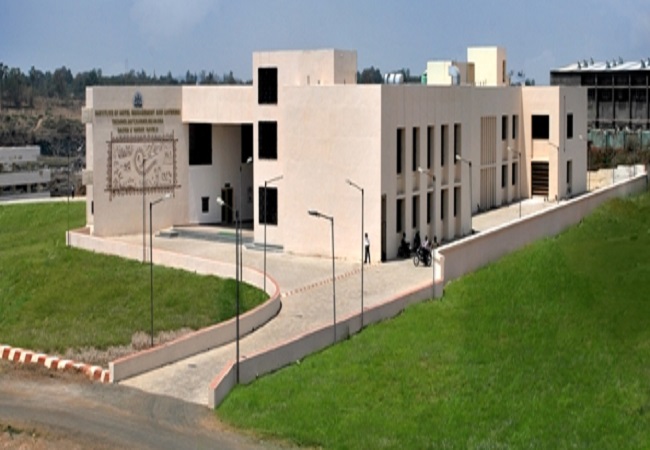
Namo Medical Education & Research Institute offers a diverse range of programs, from undergraduate to postgraduate, designed to meet the healthcare sector's evolving demands. The courses are crafted to provide a balanced blend of theoretical knowledge and practical exposure, fostering future healthcare professionals who are well-equipped to face real-world challenges. The institute’s flagship course, the MBBS program, emphasizes a foundational understanding of medicine, integrating both clinical exposure and research.
Namo Medical Education & Research Institute Courses
Besides MBBS, Namo Medical also offers a wide array of postgraduate programs, nursing courses, and allied health sciences. Each course is meticulously structured with a curriculum aligned with current industry standards and is continually updated to incorporate the latest medical advancements and technologies.
The institute’s undergraduate programs are designed to build a strong foundation, with a clear focus on essential medical concepts, skills, and ethical practices. The MBBS program, for example, covers all major areas of medicine, preparing students for various specializations and advanced studies. For postgraduate students, the institute offers several MD specializations, allowing in-depth study and mastery of specific medical fields. Namo Medical’s nursing courses train students in patient care, equipping them with practical skills essential in healthcare settings. Allied Health Sciences programs cater to those interested in supporting roles, providing training in fields such as radiology, physiotherapy, and laboratory technology.
The faculty at Namo Medical Education & Research Institute consists of highly qualified professionals who guide students through practical applications and theoretical studies. The institute emphasizes hands-on training in well-equipped simulation labs, clinical settings, and through partnerships with leading hospitals. This ensures that students are not only learning but also applying their skills in real healthcare environments. Additionally, research is a core component of many programs, encouraging students to contribute to healthcare innovations.
Namo Medical Education & Research Institute's most sought-after programs are the MBBS, MD in various specializations, B.Sc. Nursing, and Allied Health Sciences diplomas. The popularity of these programs lies in their comprehensive structure, industry relevance, and strong career prospects post-graduation.
The MBBS program is favored for its detailed curriculum covering foundational and clinical medicine, setting up students for various career paths or specialization studies. Postgraduate MD programs in fields like Pediatrics and Radiology attract students interested in advanced, focused medical careers. Nursing programs are also popular, emphasizing patient care and clinical skills, with graduates finding high demand in hospitals and healthcare facilities.
MBBS: The MBBS program at Namo Medical is a 5.5-year course designed to give students an extensive understanding of medicine. It combines rigorous classroom instruction with hands-on training in clinical settings. The curriculum covers anatomy, physiology, biochemistry, and pharmacology, preparing students for further specialization or medical practice.
MD Pediatrics: The MD in Pediatrics is a 3-year postgraduate program focused on child healthcare. It includes training in diagnosing and treating illnesses in infants, children, and adolescents. Students learn to manage a variety of pediatric conditions, develop clinical skills, and gain insights into pediatric care ethics.
MD Radiology: MD Radiology at Namo Medical is designed for those interested in imaging technology and diagnostic procedures. This 3-year course includes studies in X-ray, ultrasound, MRI, and CT scans, equipping students with the skills to interpret radiological images and contribute to diagnosis and treatment planning.
B.Sc. Nursing: The Bachelor of Science in Nursing is a 4-year course aimed at training students in patient care, clinical practices, and health education. Students gain hands-on experience in hospitals and community health settings, making them valuable healthcare team members.
Allied Health Sciences (Physiotherapy, Radiology, Lab Technology): These diploma programs, lasting 2-3 years, cover various healthcare fields, focusing on support roles essential in medical settings. Students specialize in areas like physiotherapy, radiology, or lab technology, acquiring skills to assist doctors and improve patient outcomes.