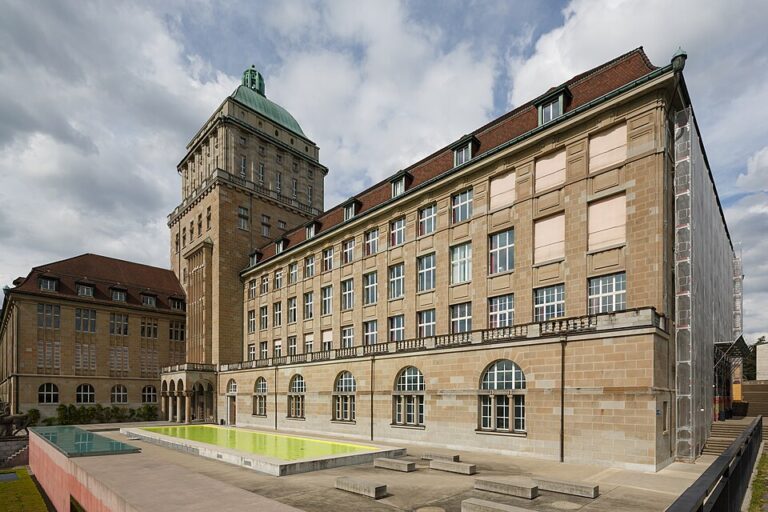
ETH Zurich is one of the leading technical universities in the world, known for its rigorous academic programs and high standards of excellence in research and innovation. As a result, the acceptance rate for ETH Zurich is relatively low, reflecting the competitive nature of the university’s admissions process. The university is selective in admitting students, particularly in its prestigious undergraduate and graduate programs. Due to the high demand for programs in fields like engineering, computer science, and architecture, ETH Zurich has become a highly sought-after institution for prospective students worldwide.
ETH Zurich Acceptance Rate
The acceptance rate at ETH Zurich varies depending on the program, the applicant’s qualifications, and the number of applications received in a given year. Generally, ETH Zurich’s acceptance rate is below 30%, making it a highly competitive institution for applicants. Additionally, international students often face more stringent requirements due to the high volume of applications from abroad and the university’s preference for highly qualified candidates with strong academic backgrounds. ETH Zurich’s admissions process takes into account not only academic performance but also research potential, work experience, and relevant extracurricular activities.
ETH Zurich Current Acceptance Rate Statistics
The acceptance rate at ETH Zurich is influenced by a variety of factors, such as the number of applicants, the quality of applicants, and the university’s capacity to accommodate students. In general, ETH Zurich maintains a low acceptance rate, especially for its more competitive programs. The university's rigorous selection process ensures that only the most qualified candidates are admitted, making it one of the most prestigious institutions in Europe.
For undergraduate programs, the acceptance rate is typically lower compared to graduate programs, as the university receives a large number of applications from students worldwide. Graduate programs, especially those related to research and engineering, also have a competitive acceptance rate, with a strong emphasis on the applicant’s research potential and academic achievements. ETH Zurich is known for its strong focus on STEM disciplines, and the acceptance rates for programs in these fields reflect the high demand for such degrees.
Several factors influence the acceptance rate at ETH Zurich, contributing to the overall competitiveness of its admissions process. The most significant factors include the program demand, application volume, and the qualifications of applicants. ETH Zurich’s strong global reputation and status as a leading institution in engineering, natural sciences, and architecture result in high demand for its programs. This increased demand, combined with limited spots in certain programs, directly impacts the acceptance rate.
In addition to program demand, the volume of applications plays a critical role in determining the acceptance rate. Each year, ETH Zurich receives a large number of applications from students worldwide. Given the high competition, the university has to be selective, admitting only those applicants who meet the institution’s stringent academic and research criteria.
Furthermore, the qualifications of applicants are a significant factor in determining admission. ETH Zurich evaluates applicants based on their academic performance, research experience, and specific skill sets relevant to the program. Applicants with strong academic records, proven research abilities, and relevant work experience are more likely to be admitted, resulting in a lower acceptance rate.
ETH Zurich Acceptance Rate Trends Over the Years
ETH Zurich’s acceptance rate has varied over the years due to shifts in the volume of applications, program offerings, and global academic trends. Over the past decade, the university has experienced an increase in both the number of applications and the global interest in its programs, particularly in fields like engineering, computer science, and architecture. This increase in demand has led to a gradual decline in the acceptance rate, as the university seeks to maintain its high academic standards while balancing the capacity of its programs.
One significant trend in the acceptance rate is the growing proportion of international students applying to ETH Zurich, which has further intensified competition for spots. The university has also introduced more selective admission criteria for certain graduate programs, particularly those in research-heavy fields like engineering and natural sciences. As a result, while ETH Zurich remains a top destination for students, the acceptance rate continues to remain competitive, especially for programs with high demand.