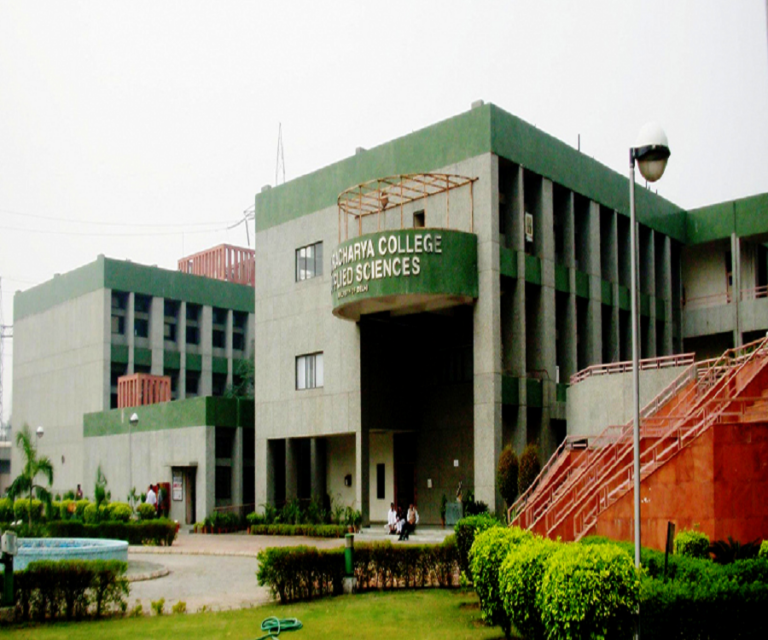
BRAC admissions for the 2026-27 session were conducted through CUET UG 2026 and DU’s Common Seat Allocation System (CSAS). All BA Hons, B.Com Hons, BA Programme, and B.Com seats were filled through the centralised DU CSAS portal across multiple allotment rounds from June through September 2026. The main rounds and spot rounds have concluded.
| Event | 2026-27 (Concluded) |
|---|---|
| CUET UG 2026 Exam | May to June 2026 |
| DU CSAS Registration | July 2026 |
| 1st Allotment Round | July to August 2026 |
| 2nd and 3rd Allotment Rounds | August 2026 |
| Spot Round / Stray Vacancy Round | September to October 2026 |
For the 2027-28 cycle, CUET UG 2027 is expected tentatively in May to June 2027. DU CSAS 2027 registration will open from July 2027, with seat allotment rounds running through September 2027. All timelines are subject to NTA and DU official notifications.
| Event | 2027-28 Cycle (Tentative) |
|---|---|
| CUET UG 2027 Exam | May to June 2027 |
| DU CSAS 2027 Registration | July 2027 |
| Seat Allotment Rounds | July to September 2027 |
CUET UG and DU CSAS Process
All undergraduate admissions at BRAC are centralised through the University of Delhi’s Common Seat Allocation System (CSAS). Candidates must appear for CUET UG, conducted by the National Testing Agency (NTA), and obtain a normalised score in the relevant CUET UG subject papers. There is no college-level direct admission or management quota at BRAC.
The selection process involves three stages. First, candidates qualify CUET UG and register on the DU CSAS portal. Second, candidates fill programme and college preferences. Third, seat allotment is done across multiple rounds based on CUET UG score and preference order. Candidates confirm allotment online and pay fees to lock the seat.
CUET Cutoff at BRAC (2026)
In CUET 2026, the General Category closing score for BA Hons Applied Psychology at BRAC was 762.99 out of 800, making it the most competitive programme at the college. B.Com Hons and BA Hons Business Economics typically see closing scores in the 320 to 380 band for General Category. BA Programme (general) combinations in languages and social sciences close at lower scores, with the range starting from around 282 in the final allotment round for certain combinations.
OBC-NCL, SC, and ST candidates qualify at lower closing scores as per DU’s reserved category norms. EWS category seats are also available across all programmes.
Eligibility
Eligibility for all programmes requires qualifying 10+2 from a recognised board with a valid CUET UG score. There is no minimum percentage cut-off imposed by BRAC independently; the DU CSAS cutoff is driven entirely by CUET normalised scores and seat availability. For Science stream students applying to BA Hons programmes, CUET scores in qualifying subjects are considered for eligibility.
BRAC is an undergraduate Arts and Commerce college without a conventional campus placement programme in the engineering or MBA college sense. Career outcomes for graduates vary by programme and are primarily through PG admissions, competitive examinations, and sector-specific employment.
BA Hons graduates in Economics and Business Economics pursue PG programmes at Delhi School of Economics, JNU, or other central universities, and enter finance, public policy, and banking sectors. B.Com Hons graduates appear for CA Foundation, CMA Foundation, MBA entrance examinations, and banking recruitment drives. BA Hons Applied Psychology graduates enter counselling, corporate HR, and mental health support roles, with many pursuing MSc or MA in Psychology or Social Work. BA Hons in Hindi Journalism and Mass Communication graduates enter print and digital media organisations, government media services (Doordarshan, AIR), and advertising agencies. The Social Work Hons programme at BRAC, the only such programme for boys among DU constituent colleges, trains graduates for roles in NGOs, government welfare departments, and international development organisations.
A significant proportion of BRAC graduates also appear for Delhi Subordinate Services Selection Board (DSSSB) examinations, Staff Selection Commission (SSC) recruitments, banking and insurance examinations (IBPS, LIC), and UPSC civil services after completing UG programmes.
Scholarships
BRAC students can access scholarships from the University of Delhi, the Delhi Government, and the central government’s National Scholarship Portal (NSP). The DU Merit-Cum-Means (MCM) scholarship is the primary college-level support for economically weaker students with strong academic performance.
| Scholarship | Eligibility | Coverage |
|---|---|---|
| DU Merit-Cum-Means (MCM) Scholarship | Minimum 60 per cent in the previous qualifying examination, family income below INR 6 Lakhs per annum | Full tuition fee waiver for the academic year |
| NSP Post-Matric Scholarship (SC/ST) | SC/ST category, family income below INR 2.5 Lakhs per annum | Full tuition fee reimbursement + maintenance allowance |
| NSP OBC Post-Matric Scholarship | OBC category, family income below INR 1 Lakh per annum | Tuition fee reimbursement |
| Delhi Government EWS Scholarship | EWS category, Delhi domicile | Fee concession as per Delhi Govt norms |
BRAC also runs a North East Cell that provides support to students from northeast India and international students, including assistance with fee concessions and accommodation guidance available through DU’s central offices.